Gambian leader pledges halt to rolling blackouts as protests turn violent
 09 September 2026
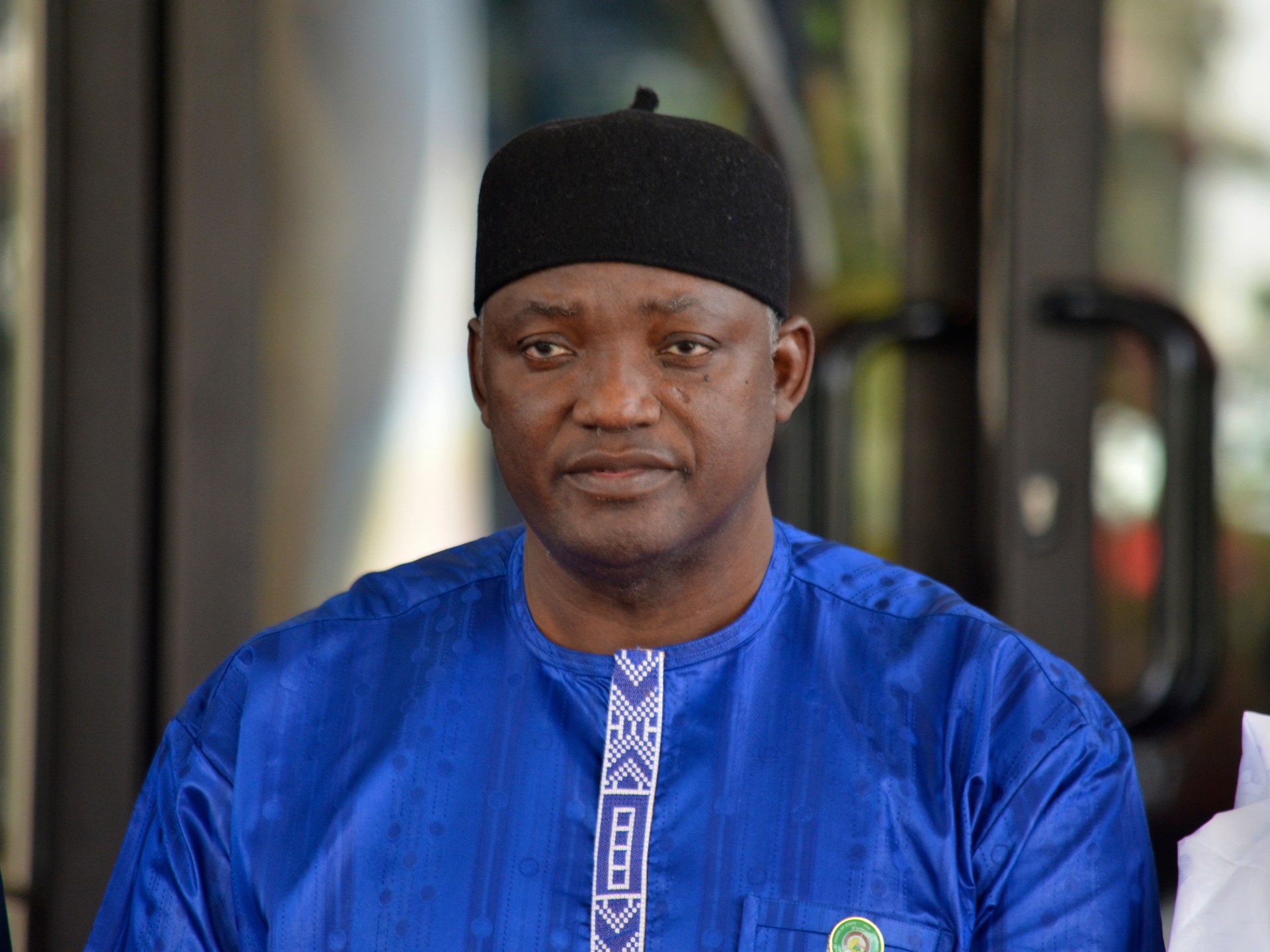

Gambian President Adama Barrow has said the country will boost energy supplies by next month, hoping to quell violent protests over prolonged power outages as the premier stands for re-election.
Protesters burned tyres and built barricades blocking traffic, demanding that Barrow resign, in The Gambia’s capital, Banjul, and nearby cities on Monday and Tuesday.
Police used tear gas to disperse crowds who gathered in multiple locations, including near Barrow’s residence and the National Water and Electricity Corporation (NAWEC) headquarters, which supplies the country’s electricity.
![Demonstrators burn tyres and block a road during a protest over the country's ongoing electricity crisis and persistent power outages in Brusubi on September 8, 2026. [AFP]](https://www.aljazeera.com/wp-content/uploads/2026/09/afp_6aa0b264c94c-1788916324.jpg?w=770&resize=770%2C513&quality=80)
Barrow declared the outages an emergency and a “national security issue” during a visit to a NAWEC power station. In a national address, he announced that the government would install a 24-megawatt generation machine by the end of October.
“I know that the fans have stopped turning, children work in the dark, mothers throw away stale food, and the heat is unbearable by day and by night,” Barrow said.
The rolling blackouts are taking place during the West African country’s hot season and have lasted up to 48 hours in some places.
The Gambian president also announced an additional 50-megawatt solar power plant that would begin construction soon.
NAWEC Managing Director Gallo said the prolonged electricity cuts were in part due to climate change and the US-Israel war on Iran. The electricity provider, in a statement released in August, also claimed that it was experiencing an “unforeseen surge” in demand due to high temperatures.
Advertisement
The blackouts come just months ahead of the December presidential election, in which Barrow is running for a third term.
Related News
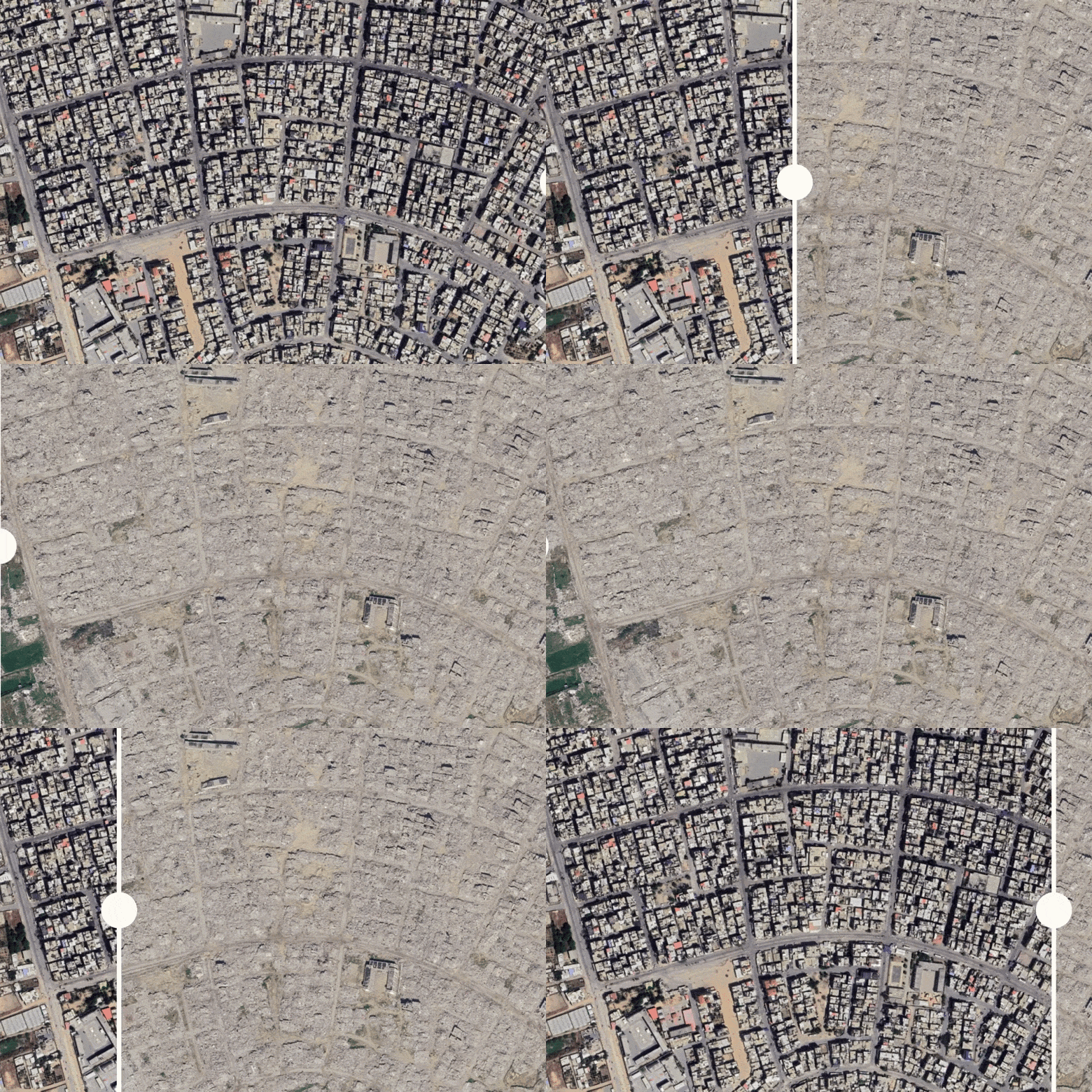
Satellite images show Gaza in ruins three years into Israel’s genocidal war
Syria begins destroying al-Assad-era chemical weapons materials
Haitian government calls for renewal of international anti-gang task force