
Israel has seized planning and construction powers covering the Ibrahimi Mosque, on the site of a Jewish and Muslim shrine in the occupied West Bank, from Palestinian authorities, scrapping parts of an agreement in place since the 1990s, Finance Minister Bezalel Smotrich said on Tuesday.
In a speech announcing the move, Smotrich said he had “abolished” the parts of the 1997 Hebron Agreement that gave the Palestinian municipal council of Hebron control of planning, zoning and construction in the H2 zone of the West Bank city.
Observers have described the move as “dangerous”. “Hebron for years has been the tensest city in the West Bank,” Chris Doyle, director of the Council for Arab-British Understanding, told Al Jazeera. “Any moves to change the existing arrangements in Hebron in favour of intensifying the Israeli occupation are extremely dangerous.”
We break down why this is significant and what happens next.

What is the Ibrahimi Mosque?
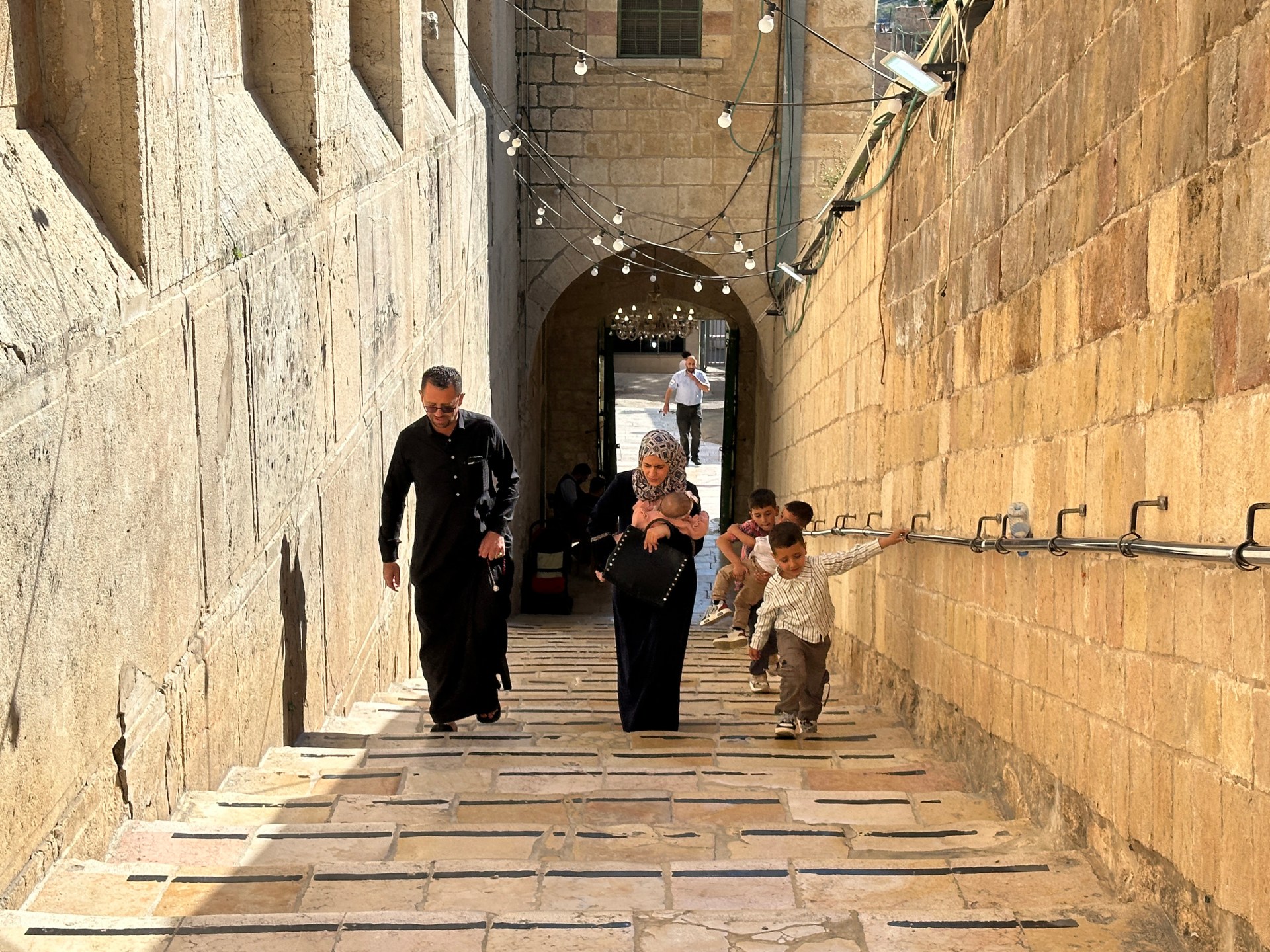
All three Abrahamic faiths believe this is where Abraham, Isaac, Jacob and their wives are buried inside the Old City of Hebron.
Jews and Christians call it the Tomb – or Cave – of the Patriarchs.
Muslims who, like Christians, also revere Abraham. They built the Ibrahimi mosque, also known as the Sanctuary of Abraham, there in the 14th century, expanding on the first-century BC outer walls built by the Roman King Herod.
Advertisement
What has Israel announced?
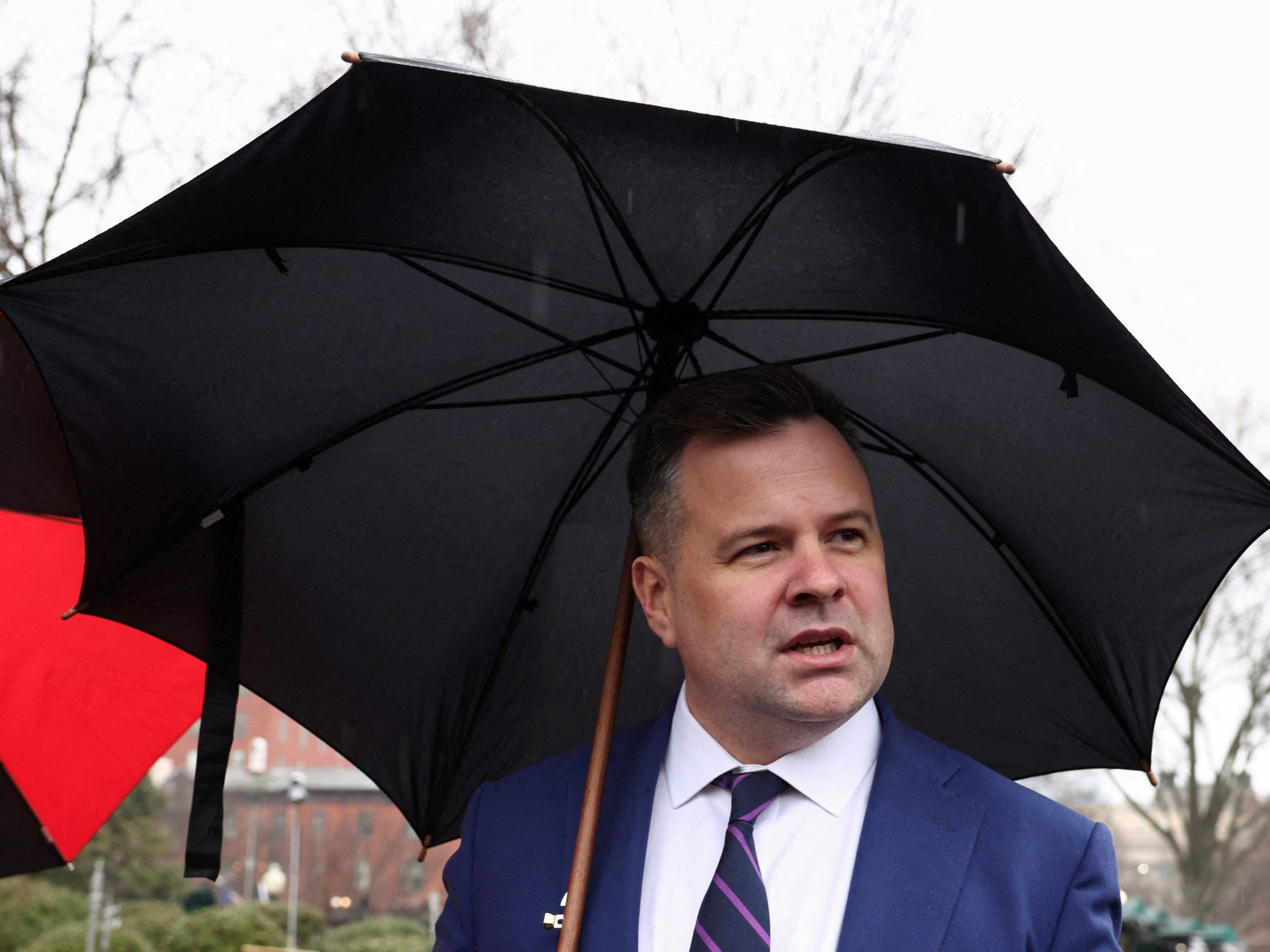
Smotrich, a far-right minister, said he had approved the transfer of planning and construction powers for the religious site and nearby Jewish settlers to Israeli authorities late on Monday.
In a speech marking the establishment of a new Israeli settlement near Hebron in the southern West Bank, Smotrich said the “historic step” would deepen “Israeli sovereignty” in the West Bank, which Palestinians see as the heart of a future independent state.
Smotrich’s decision to take over powers for planning and construction of the 20 percent of the city controlled by Israel comes after Israeli Prime Minister Benjamin Netanyahu’s security cabinet approved steps earlier this year to make it easier for settlers to buy land in the West Bank and give Israeli authorities more enforcement powers in the territory.
Smotrich, who has stated that he wants to eliminate any idea of Palestinian statehood in the West Bank, has backed the rapid expansion of Israeli settlements in the territory in recent years, which has been accompanied by a rise in settler attacks on Palestinians.
Israeli settlers have killed 13 Palestinians in the West Bank so far this year, according to United Nations data, alongside others killed by the Israeli military.

Who controlled the Ibrahimi Mosque before?
The Ibrahimi Mosque falls under the 1997 Hebron Agreement, signed by Israeli Prime Minister Benjamin Netanyahu and former PLO Chairman Yasser Arafat, which split the city into two zones. H1 is under Palestinian control and covers about 80 percent of Hebron, while H2 is under Israeli control, covering the remaining 20 percent which includes the Jewish Tomb of the Patriarchs, the adjoining Muslim Ibrahimi Mosque and the Old City.
However, the agreement stipulated that the Palestinian Authority would oversee planning and construction for the entire city, including the Ibrahimi Mosque.
Hebron’s Old City is recognised as a Palestinian World Heritage site by UN cultural agency UNESCO. Hundreds of Jewish settlers live among tens of thousands of Palestinians in the 20 percent of the ancient city that is under Israeli security control.
Israeli settlers began to establish a growing presence in Hebron in 1968. After 1994, Israel gradually moved to assert control over the Ibrahimi Mosque site by sealing off large parts of Hebron’s Old City and the southern area around the site, then partitioning the mosque between Muslim worshippers and a few hundred Jewish settlers, and granting the settlers prayer rights there.

What does this mean for the Hebron Agreement?
In an apparent bid to stave off international criticism of Smotrich’s announcement about Hebron, observers say, Israel’s Ministry of Foreign Affairs stated that the 1997 Hebron Agreement had not been cancelled in its entirety.
Advertisement
While the transfer of planning and construction powers was made on Monday night by Israel’s Higher Planning Council, Israel’s Foreign Ministry announced in a tweet that “contrary to the finance minister’s statements, the Hebron Agreement was not canceled”.
It said the security cabinet had decided several months ago to take control of planning and construction with relation to Jewish settler areas and Jewish holy sites, including the city’s shrine, which is holy to Muslims, Jews and Christians.
Hebron and the Ibrahimi Mosque have at times been a flashpoint for violence. In 1994, an American-Israeli Jewish settler killed 29 Muslims praying at the shrine and wounded 125 others.
Palestinian President Mahmoud Abbas’s office called the seizure of powers an “infringement upon the political and legal status of Hebron” and a violation of international law.
The Palestinian mayor of Hebron, Yousef Al-Jabari, called Smotrich’s announcement a “racist decision aimed at stripping the Hebron municipality of its powers”.
Israel is due to hold parliamentary elections by the end of October, ahead of which Smotrich has found himself in the polls. A settler on Palestinian-owned land in the occupied West Bank himself, he has long pushed for the annexation of the West Bank by Israel, and his party draws much of its support from ideologically motivated settlers who view the West Bank as their heartland and refer to it as “Judea and Samaria”, the biblical name for the region to the west of the Jordan River.
How have others reacted?
UN bodies and most countries consider Israel’s settlements in the West Bank to be illegal as they violate the Fourth Geneva Convention about the treatment of people in occupied land. Many observers consider Israel’s expansion of illegal settlements to be the primary obstacle to Israeli-Palestinian peace and Palestinian statehood. Currently, more than 700,000 Israeli settlers live on Palestinian land in the West Bank.
Israel rejects this view, claiming the territory is disputed and that a Jewish presence has existed there for thousands of years.
The Council on American-Islamic Relations (CAIR), the largest Muslim civil rights and advocacy organisation in the United States, released a statement on Monday condemning the Israeli government’s seizure of the mosque.
“The apartheid Israeli government’s seizure of authority over the Ibrahimi Mosque is yet another attempt to consolidate its illegal occupation of Palestinian land, undermine Palestinian self-governance, and alter the historic status of one of Islam’s holiest sites,” CAIR said in the statement.
Chris Doyle, director of the Council for Arab-British Understanding, described the move as “dangerous”.
“Any moves to change the existing arrangements in Hebron in favour of intensifying the Israeli occupation are extremely dangerous. Hebron for years has been the tensest city in the West Bank.
“What should be happening is that the settlements should be withdrawn from the centre of the city and the partition of Hebron is ended and it all comes under Palestinian control, with arrangements for holy sites.”
Advertisement
Other Palestinian or Islamic holy sites have seen similar creeping changes in control, access or legal status.
For example, at the Al-Aqsa Mosque in the Old City of Jerusalem – Islam’s third holiest site – Israeli authorities use renewable expulsion orders to bar worshippers they deem “problematic”. They also regularly carry out searches at the gates, detain people, confiscate ID cards and impose restrictions on entry to parts of the mosque compound there. Recurrent closures to the mosque or restrictions of Muslim worshippers are framed as “security measures”.
Settler organisations, often with state backing or legal support, also work to gain control of properties around and within the Old City, including buildings near holy sites.
Related News
Indonesian students protest gov’t policies amid economic strain
Israel is building more military posts in Gaza, satellite imagery shows
Iran war live: US, Tehran signal peace deal within reach but not signed yet