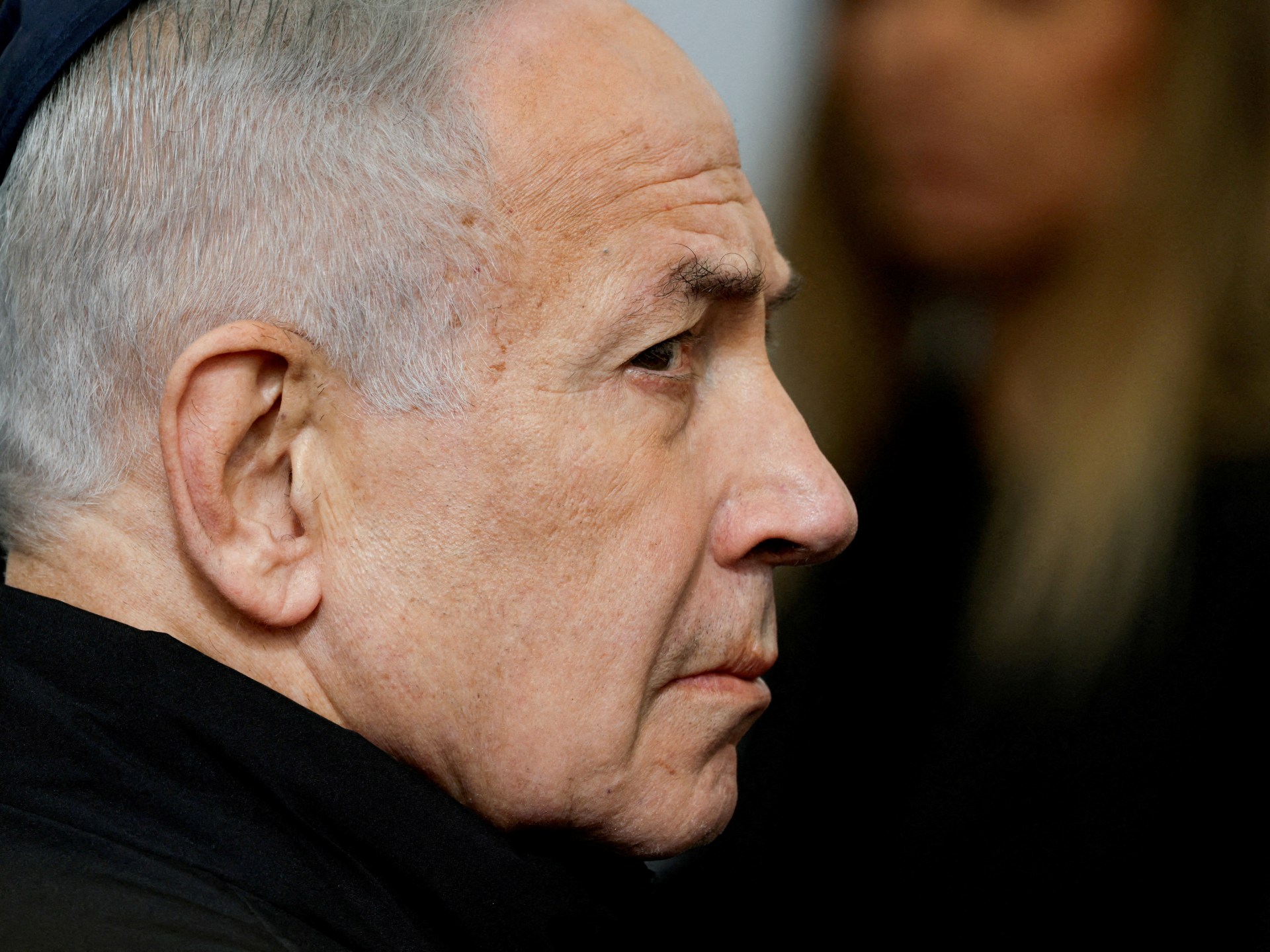

Israeli Prime Minister Benjamin Netanyahu has restrained himself from openly displaying his opposition to the memorandum of understanding between Iran and the United States. But looking to the positions of Israelis from across the political spectrum, and the military’s actions in Lebanon, the picture is clear: Israel is angry, and Israel is worried.
Netanyahu has always been careful with US President Donald Trump, knowing that his occasional criticisms of Israeli policy have been coupled with allowing Israel to pursue many of its military and political goals, even as the rest of the world isolates the country. The war with Iran was a case in point – after years of US refusal, Netanyahu had finally convinced a US president to jointly attack Iran.
- list 1 of 4Iran war day 112: Vance defends Tehran ‘deal’ but Switzerland trips are off
- list 2 of 4Fears for US-Iran deal as talks delayed by Israeli strikes on Lebanon
- list 3 of 4Israel continues attacks on Lebanon despite US-Iran deal
- list 4 of 4Can US-Iran peace ‘deal’ survive Israeli bombing of Lebanon?
end of list
But that war has gone badly for the US, and Trump’s decision to accept a deal – without any apparent input from Israel – has upended many of the assumptions underpinning what many in Israel see as their “special relationship” with the US, as well as making clear the power dynamics between the two allies.
Under the terms of the US-Iran agreement, as well as creating a $300bn reconstruction plan for Iran, the US commits that it and “its allies” will undertake the “immediate and permanent termination of military operations on all fronts, including in Lebanon”.
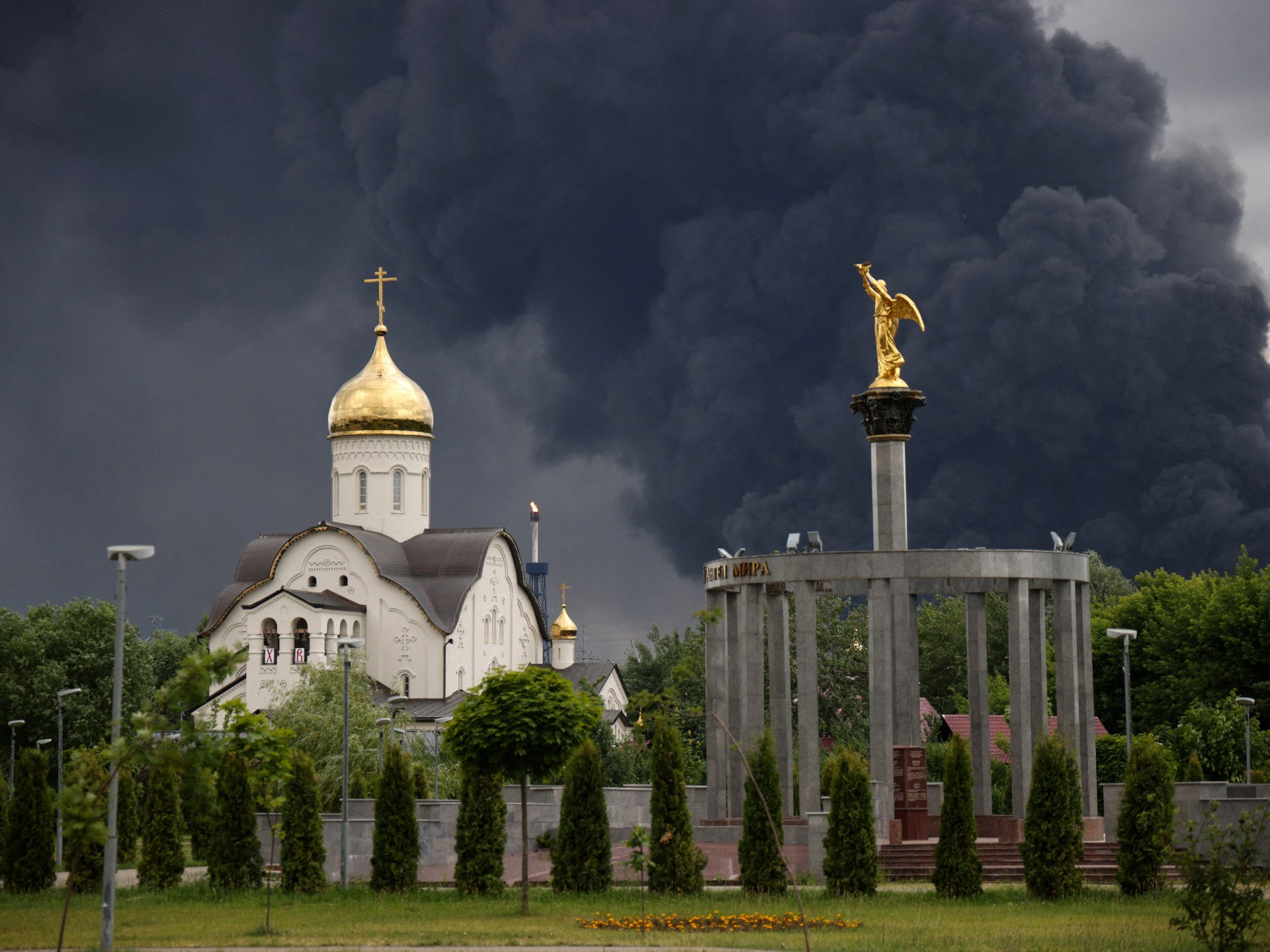
Israel immediately responded to that agreement by pounding Lebanon, killing at least 47 people on Friday, according to the Lebanese Ministry of Public Health. Four Israeli soldiers were also killed overnight by the armed Lebanese group, Hezbollah, prompting Israel’s far-right National Security Minister Itamar Ben-Gvir to say that “all of Lebanon must burn”.
Advertisement
And yet, by Friday evening, a ceasefire is reported to have been agreed between Israel and Hezbollah – likely after US pressure, with the US-Iran deal at risk of collapsing.
How far Netanyahu can go in his defiance of the US, whose diplomatic and financial support are critical to Israel, and how far he can go in appeasing an Israeli public and political establishment widely understood to reject the deal, is unclear.
According to a television poll published on Thursday, only a small minority of Israelis believe their country has won the war against Iran – an opponent that, for generations, they had been told was bent on their destruction.
“The depth of disappointment over the US-Iran memorandum of understanding is very real and deep,” Israeli pollster and political analyst Dahlia Scheindlin said. “Israelis are fully aware that none of their goals as articulated and overconfidently promised by Netanyahu have been achieved. They believe the war ended prematurely and that something went wrong with the grand plan. They don’t love blaming Trump but see him as making decisions based on US interests, and many blame Netanyahu for miscalculations in creating the dependency on Trump.”
US Vice President JD Vance stepped into the fray on Thursday, addressing Israel and the deal’s critics in its cabinet directly.
“Donald J Trump is the only head of state in the entire world who is sympathetic to the nation of Israel at this moment in time,” Vance said, referring to the international condemnation that has followed Israel’s genocidal war on Gaza and multiple attacks on its neighbours.
Vance continued, appearing to turn to Ben-Gvir and his fellow far-right figure, Finance Minister Bezalel Smotrich. “If I was in the cabinet of the Israeli government, I might not be attacking the only powerful ally that I have anywhere left in the entire world,” Vance said.

“I can’t think of a time when either a US vice president or president has been so openly critical of Israel and used such language,” Chatham House’s Yossi Mekelberg said, referencing direct criticism of both Netanyahu and Israel’s attacks on Lebanon voiced by Trump during the G7 meeting on Wednesday.
“Netanyahu understands he can’t afford a real rift with the US, but at least needs the appearance of one for his position to be sustainable,” he added. “It’s hard to see any way out for Netanyahu ahead of the elections, other than playing for time and leaving it until after the vote. Even if he halts action against Hezbollah tomorrow, could he rely upon them not attacking the north of Israel when they know how vulnerable he is?”
Advertisement
To that end, the degree to which Smotrich and Ben-Gvir were breaking with the prime minister in their criticism of the US-Iran deal, and how much they were reflecting his policy, was unclear, Ofer Cassif, an Israeli parliamentarian from the left-wing Hadash party, said.
Netanyahu has been making political capital out of the threat posed by Iran since the 1990s, when he first claimed the country was on the brink of making a nuclear weapon, and Hezbollah, whose rocket fire on northern Israel in the wake of the Hamas-led attack of October 7, 2023, went a long way in deflecting from his own failures before that incursion.
“All Netanyahu and his thugs, this so-called government, are interested in, is thwarting, hindering and destroying the agreement while seeming as if they were not, by selling a story of security and defence. That’s the real issue here,” Cassif said. “Destruction is the goal.”