After Strait of Hormuz opens, turmoil would still last months, analysts say
 31 March 2026
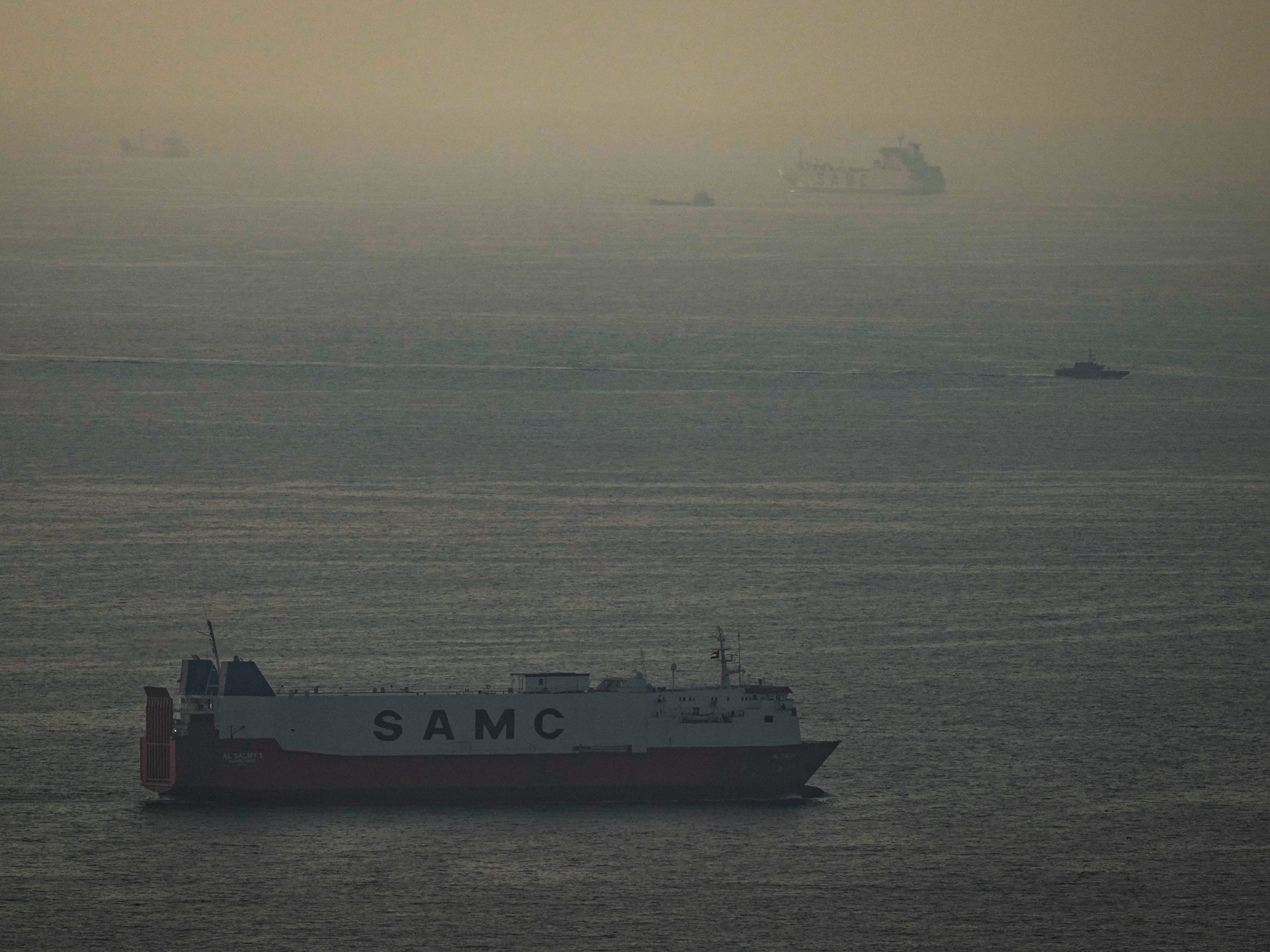

The effective shutdown of the Strait of Hormuz has blocked the flow of a substantial portion of the energy that powers the global economy.
But even if the waterway reopens tomorrow, the disruption to global supply chains will be felt long after ships have been cleared to pass en masse, according to shipping and trade experts.
- list 1 of 4Analysts say Trump doesn’t understand Iran reality has changed
- list 2 of 4Who is fighting in Myanmar’s multi-front civil war?
- list 3 of 4Australia’s post-Bondi crackdown accused of targeting pro-Palestinian voices
- list 4 of 4Mexico launches search for two missing aid boats bound for Cuba
end of list
“When the war is officially over, and the bombardments are stopped, that does not mean that the war is over for logistics, because then the real work starts,” said Nils Haupt, senior director for corporate communications at the German shipping giant Hapag-Lloyd.
“We will see hundreds of ships who want to call in at the key ports in the Persian Gulf. Lots of containers are going into the region, and we will see disruption of supply chains going to and from the Persian Gulf,” Haupt told Al Jazeera, using another name for the Gulf, which is also known as the Arabian Gulf.
At present, some 2,000 ships are stranded in the region amid Iran’s partial blockade of the strait, according to the International Maritime Organization (IMO). It has been allowing passage of only a few vessels from the countries deemed friendly.
Among them, about 400 vessels are in the nearby Gulf of Oman, suggesting that shipping firms are holding position for when the strait reopens, according to maritime intelligence company Windward.
Other ships have been diverted to the Suez Canal or taken the much longer journey around the Cape of Good Hope in Southern Africa to make deliveries to Asia and Europe.
Advertisement
Oil shipments from Saudi Arabia have been diverted through the Red Sea, bypassing the strait.
Svein Ringbakken, managing director of the Norwegian Shipowners’ Mutual War Risks Association, said even with logistics facilities running at full capacity, it would take time to clear the backlog of oil, gas and other goods unloaded from vessels.
Ringbakken said the task has been made even more difficult by attacks that have damaged energy and transport infrastructure across the Middle East.
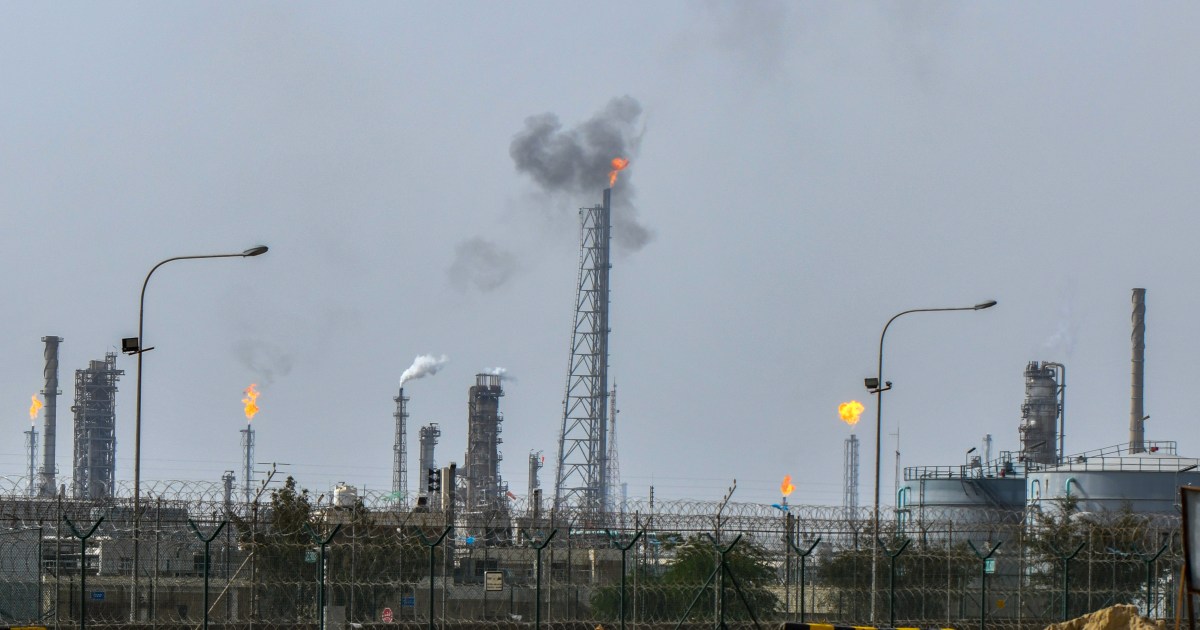
More than 40 energy assets across the region have been “severely or very severely damaged”, according to the International Energy Agency, with oil and gas companies, including QatarEnergy, the Kuwait Petroleum Company, and Bahrain’s Bapco Energies, declaring force majeure due to production disruptions.
“The short answer is that it would take months to get shipping supply chains back to normal because of the backlog,” Ringbakken told Al Jazeera.
“Production lines have had to be stopped for many products because of a lack of storage capacity,” he added. “Add to this the damage to both production facilities and port infrastructure. This all adds inefficiencies when the strait is opened.”
Iran’s effective closure of the waterway, launched in retaliation for US-Israeli strikes that began on February 28, has disrupted about 20 percent of the world’s crude oil and liquefied natural gas (LNG) supplies, driving up energy prices worldwide.
The blockade has also interrupted the export of large amounts of petrochemicals, fertiliser, and raw materials used in plastic manufacturing.

Beyond the immediate disruption to trade, the effective shutdown of the waterway has raised longer-term questions about how shippers will conduct their business in the future, including calculating risk, said SV Anchan, chairman of the United States-based global shipping and logistics conglomerate Safesea.
The IMO has confirmed at least 18 attacks on vessels across the Gulf since the war began, including the March 11 ramming of a Safesea oil tanker by two unmanned ships, which killed one crew member.
“From an industry standpoint, the issue extends well beyond access. The emergence of asymmetric threats, including unmanned attack capabilities, has fundamentally altered the risk environment,” Anchan told Al Jazeera.
“Even in the event of a full reopening, a return to normal conditions will require a sustained period of stability,” he said.
Advertisement
“Shipowners, charterers and insurers will seek consistency, credible security assurances, and structured risk frameworks before committing operations at scale.”
Marco Forgione, director general of the Chartered Institute of Export & International Trade, a United Kingdom-based professional body that promotes free trade, also said the blow to confidence in the industry would be long-lasting.
“Rebuilding the confidence of shippers in the safety of the strait will take considerable security reassurances, which could take years,” Forgione told Al Jazeera, adding that Tehran was capable of shutting down shipping with threats alone.
Forgione said insurance had become an important “pressure point” for the industry, with hull and cargo premiums rising as much as 300 percent.
“Shipping companies can only absorb these increases for so long,” he said.
Oscar Seikaly, CEO of NSI Insurance Group, said, for war risk coverage to return to normal rates, a “resolution must be truly permanent and security guaranteed at 100 percent, not partial or 90 percent”.
Maritime data shows that a relative handful of ships have passed through the strait after obtaining authorisation from Tehran and routing through its territorial waters, according to maritime intelligence site Lloyd’s List.
One ship reportedly paid $2m for the right to transit, according to Lloyd’s List, while Iranian legislators this week approved legislation to impose transit fees on the strait, according to Iran’s Fars News Agency.

The level of security demanded by industry will be hard to guarantee if recent experiences in the Red Sea are anything to go by, said Nick Marro, the Economist Intelligence Unit’s lead analyst for global trade.
Shipping companies briefly suspended operations in the sea in late 2023 amid attacks on commercial vessels by Iranian-backed Houthis.
While shipping has since resumed, traffic is still below its pre-2023 levels due to ongoing security concerns, Marro said.
“There is still a lot of trepidation around the durability of any potential ceasefire or de-escalation from the conflict, and that’s something that we’ve learnt from the attacks by the Houthis in the Red Sea. It’s been a very stop-start situation there,” he told Al Jazeera.
Marro said he expects the shutdown of the strait to push companies to diversify trade routes in much the same way the COVID-19 pandemic drove manufacturers to diversify supply chains away from China.
“I think, given the geopolitical uncertainties that we’re currently seeing, this is likely going to be a permanent feature of risk management rather than just a temporary response to the Iran war,” he said.
NSI’s Seikaly also predicted a long-term diversion in traffic away from the strait.
“The ongoing volatility has caused exporting countries to realise the need for diversification, prompting countries and companies to explore alternative trade routes for strategic and political reasons,” he said.
Advertisement
“Over time, traffic through the Strait of Hormuz is likely to decline due to the risks associated with concentrating oil trade in such a volatile area.”
Related News

African football chief will ‘respect’ CAS decision on AFCON final row
Kuwait oil refinery hit again as Iran targets Gulf energy infrastructure

Somali army takes over key city in Southwest as state leader resigns