
The United Nations humanitarian chief has asked the UN Security Council (UNSC) what it is prepared to do to protect civilians in Lebanon as Israel pushes ahead with its ground invasion and bombardment of the country.
Speaking during an emergency UNSC session on Tuesday, Tom Fletcher noted that the question is critical given recent comments from Israeli ministers about Israel’s aims in Lebanon as well as its genocidal war against Palestinians in the Gaza Strip.
- list 1 of 3Iran war: What is happening on day 32 of US-Israel attacks?
- list 2 of 3Three Indonesian peacekeepers killed by Israeli attacks in Lebanon
- list 3 of 3Tyre hospital ‘hit five times’ since start of Israel’s attacks on Lebanon
end of list
“Given the trajectory that some Israeli ministers have described and given what we have seen in plain sight in Gaza, how will you protect civilians?” Fletcher asked the council.
“Secondly, given the intensity of the coercive displacement that we are seeing, how should we prepare collectively as the international community for a new addition to the list of occupied territories?”
More than 1.1 million people have been displaced across Lebanon since Israel launched intensified attacks on the country on March 2 after Hezbollah fired missiles into northern Israel during the US-Israeli war on Iran.
The meeting at UN headquarters in New York was held after Israeli Defence Minister Israel Katz said his country planned to occupy parts of southern Lebanon even after the current escalation with Hezbollah ends.
“At the end of the operation, the [Israeli army] will establish itself in a security zone inside Lebanon … and will maintain security control over the entire area up to the Litani [River],” Katz said in a video message.
Israeli troops began pushing deeper into southern Lebanon this week as part of what the military said is a campaign to ensure the residents in northern Israel are protected against missile attacks.
Advertisement
Human rights groups have condemned the expanded military operations, warning Israel against attacking civilian infrastructure and blocking residents from being allowed to return to their homes and communities.
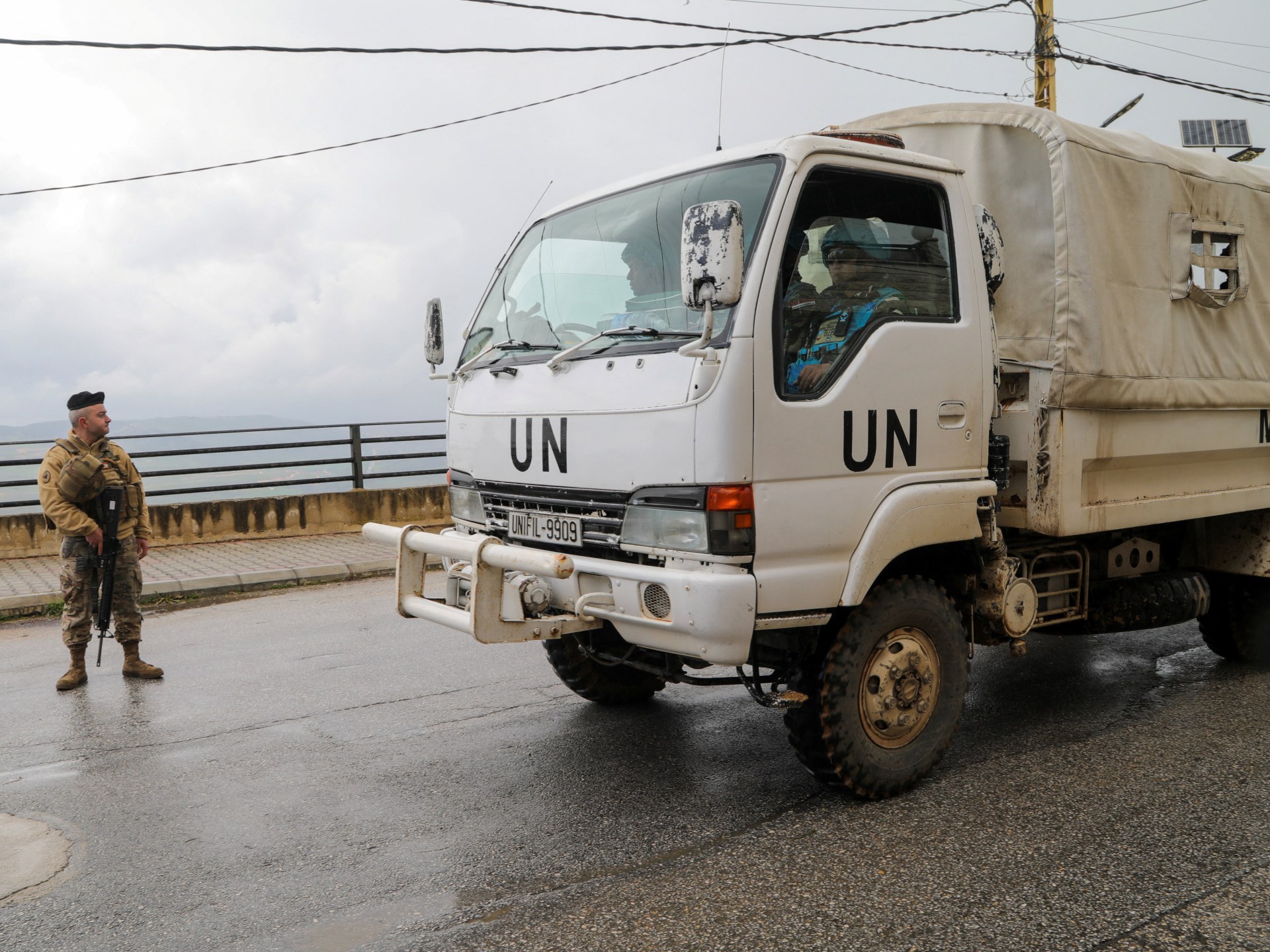
The deepening Israeli invasion also has driven a surge in deadly violence, including the killings of three UN peacekeepers operating in the area in recent days.
Two Indonesian peacekeepers were killed on Monday “when an explosion of unknown origin destroyed their vehicle” near the southern Lebanese village of Bani Haiyyan, the peacekeeping UN Interim Force in Lebanon (UNIFIL) said.
That followed the killing of another Indonesian peacekeeper a day earlier “when a projectile exploded in a UNIFIL position” near Aadshit al-Qusayr, another village in southern Lebanon.
Jean-Pierre Lacroix, the UN’s undersecretary-general for peace operations, said during Tuesday’s UNSC session that initial findings into the killing of the two peacekeepers on Monday “point to a roadside explosion striking the convoy”.
“These tragic developments should not have happened,” Lacroix said, adding that UNIFIL’s investigations are continuing.
“Peacekeepers must never be a target. All acts that endanger the peacekeepers must immediately stop,” he added.
In a statement condemning the deadly incidents, a spokesperson for UN Secretary-General Antonio Guterres also stressed that attacks on UN peacekeepers violate international law “and may amount to war crimes”.
“There will need to be accountability. No one should ever have to die serving the cause of peace,” the statement said.
“The Secretary-General strongly urges all actors to uphold their obligations under international law and to ensure the safety and security of UN personnel and property at all times.”
Related News
US-Israel war on Iran: What’s happening on day 26 of attacks?
FBI director Kash Patel’s emails, photos hacked by Iran-linked group
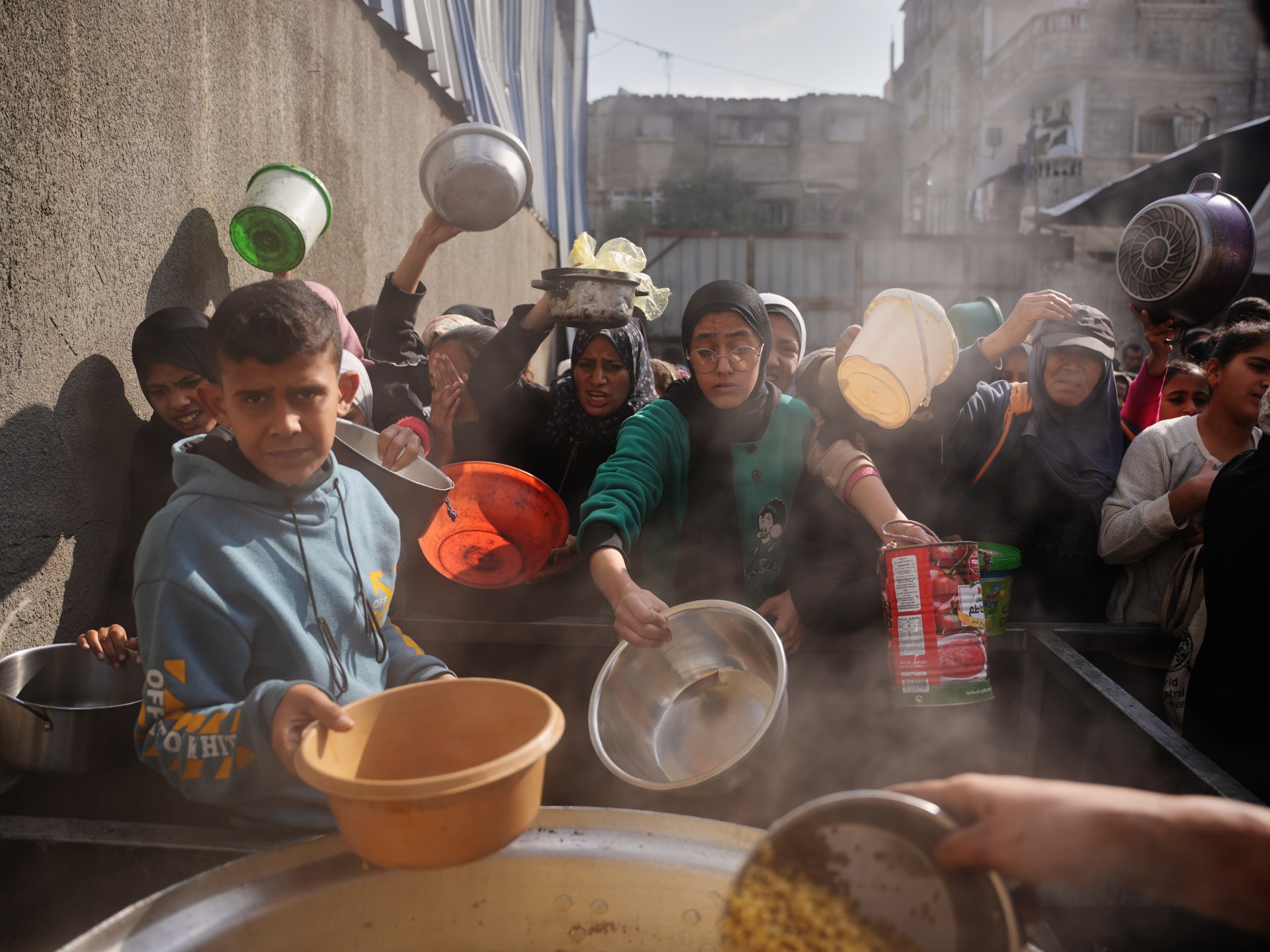
UN warns of record hunger, 45 million more at risk, if Iran war continues